
Creeds • Confessions • Catechisms
Our convictions
Recovering the riches of the Reformation for modern church.
From the baptismal creeds of the early church in the great Reformation confessions, these documents are the way the church has said, together, what it believes the Scriptures teach. Read them here in full, with Scripture proofs and chapter-by-chapter navigation.
Historic confessions
Switch views to explore the same twelve documents by era chronology, or tradition.
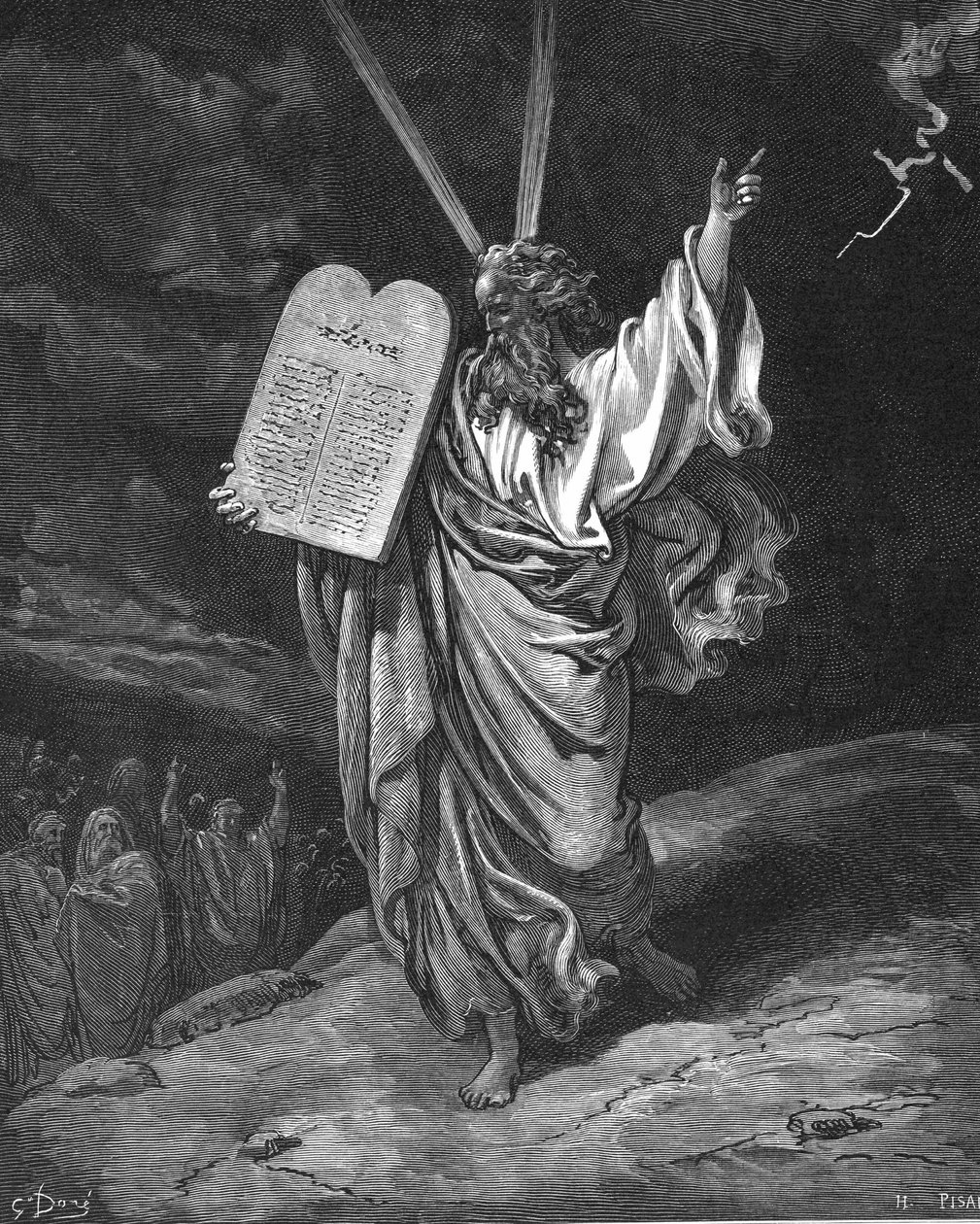
c. AD 180
The Apostles' Creed
The shortest and most universal of the Christian creeds, recited at baptisms in the early church and in nearly every tradition since.
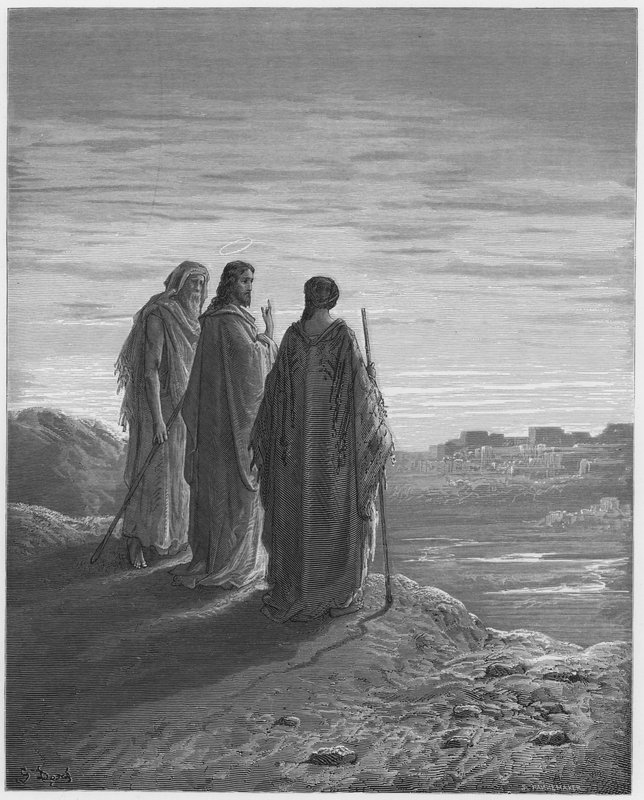
AD 325 / 381
The Nicene Creed
The confession of the First Council of Nicaea, expanded at Constantinople, defining the full deity of Christ and the Spirit.
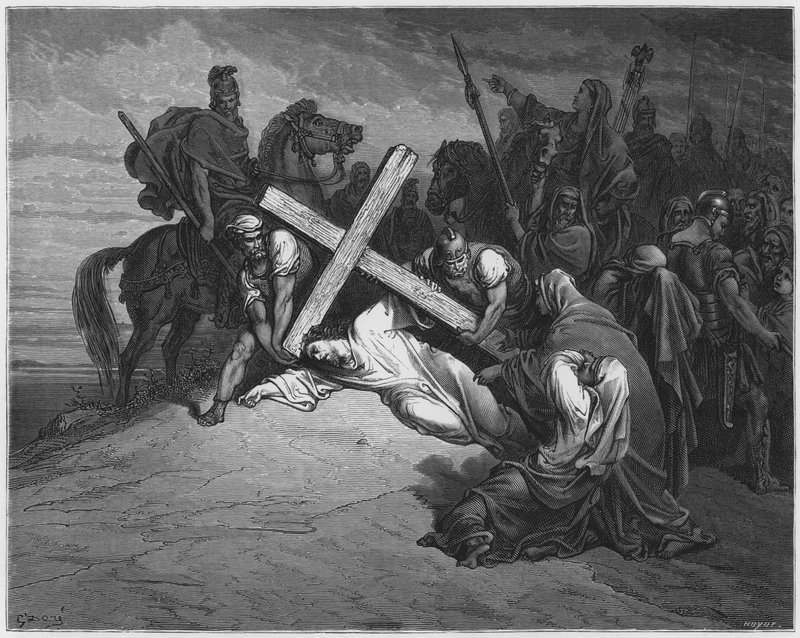
c. AD 500
The Athanasian Creed
A fierce, precise statement on the Trinity and the two natures of Christ — not by Athanasius, but faithful to him.
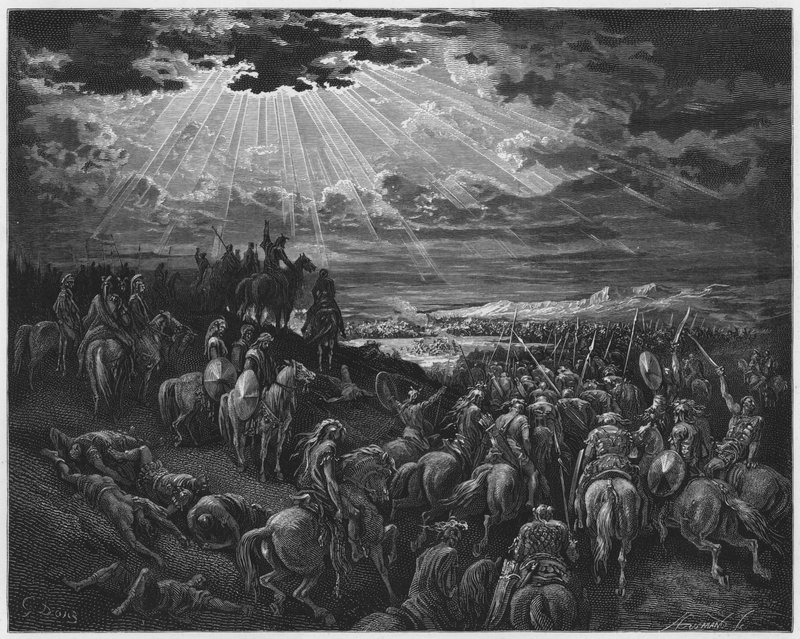
1561
The Belgic Confession
The confessional standard of the Reformed churches of the Low Countries, summarizing the faith in thirty-seven articles.
1563
The Heidelberg Catechism
Warm, personal, pastoral — the most-loved catechism of the Reformed tradition.
1571
The Thirty-Nine Articles
The doctrinal articles of the Church of England, establishing its Reformed and catholic character.
1580
The Book of Concord
The collected Lutheran confessions — Augsburg, Apology, the Catechisms, Smalcald Articles, Formula of Concord.
1618–19
The Canons of Dort
The Synod of Dort's answer to the Remonstrants — the source of the five points often summarized as TULIP.
1647
The Westminster Shorter Catechism
A concise catechism for children and new believers, famous for its opening answer.
1646
The Westminster Confession of Faith
The doctrinal standard of Presbyterian churches throughout the English-speaking world.
1648
The Westminster Larger Catechism
The Assembly's fuller catechism, written for ministers and more mature readers.
1689
The 1689 London Baptist Confession
A Baptist confession modeled on Westminster, shaped for a Particular Baptist understanding of the church and the covenants.


